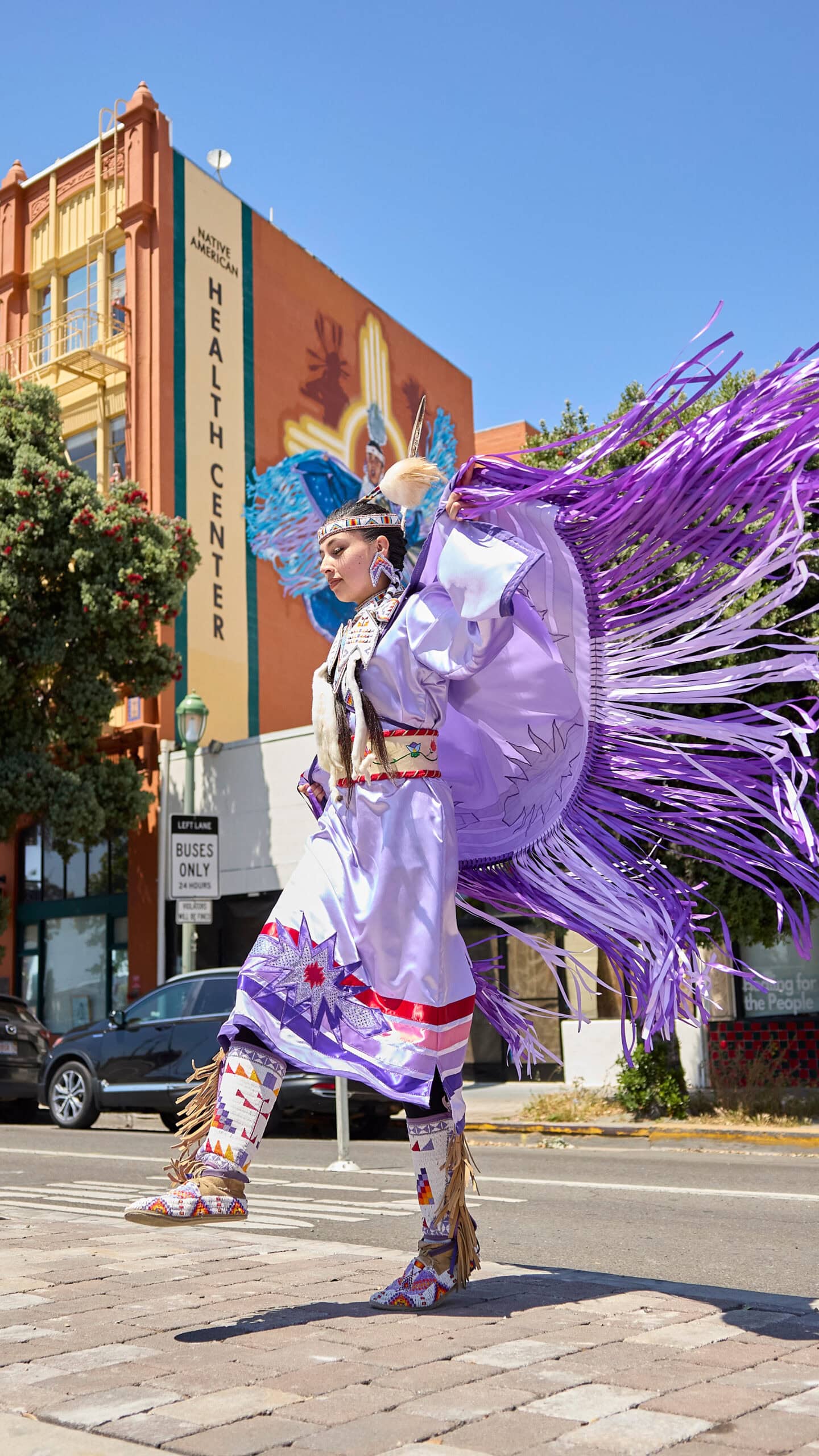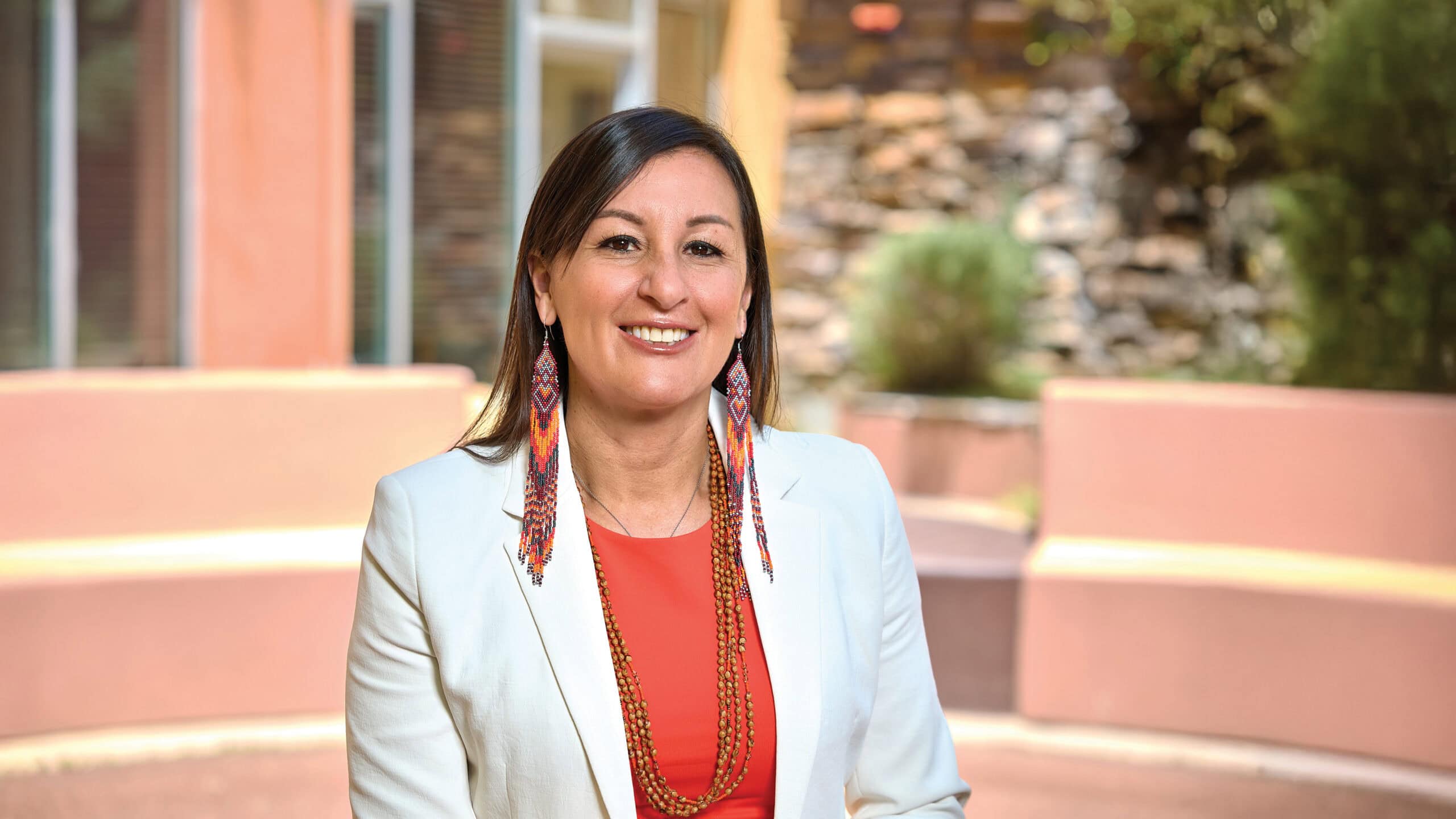
Natalie Aguilera serves as the Chief Executive Officer of the Native American Health Center (NAHC) in Oakland, California. Her leadership and deep commitment to community care are rooted in a strong family legacy shaped by her grandmother, Alice Carnes, a respected Choctaw woman whose journey from Antlers, Oklahoma, to the San Francisco Bay Area helped lay the foundation for Native community support in the region.
In the early 1940s, Alice and her husband Jimmy came to Oakland, where he worked in the shipyards. When other Native American people began migrating to the area because of the Indian Relocation Act of 1956, Alice found herself drawn to supporting the new members of her community. Together with a small group of Native community members, she helped co-found the Intertribal Friendship House, one of the first urban Native community centers in the nation. There, she provided connection, cultural grounding, and vital resources to thousands of Native families navigating a new urban existence.
“You know, there’s a promise of jobs, opportunities, education, health care, housing, and a lot of that didn’t come to fruition. And so, how were you going to support those who came after you?” said Natalie. “The Intertribal Friendship House did that for many years and still does that today, building that connection and support and opportunity for Natives in the Bay Area.”
Though Natalie didn’t fully recognize her grandmother’s influence as a child, she came to understand as an adult that Alice’s commitment helped shape Native life in Oakland for generations.
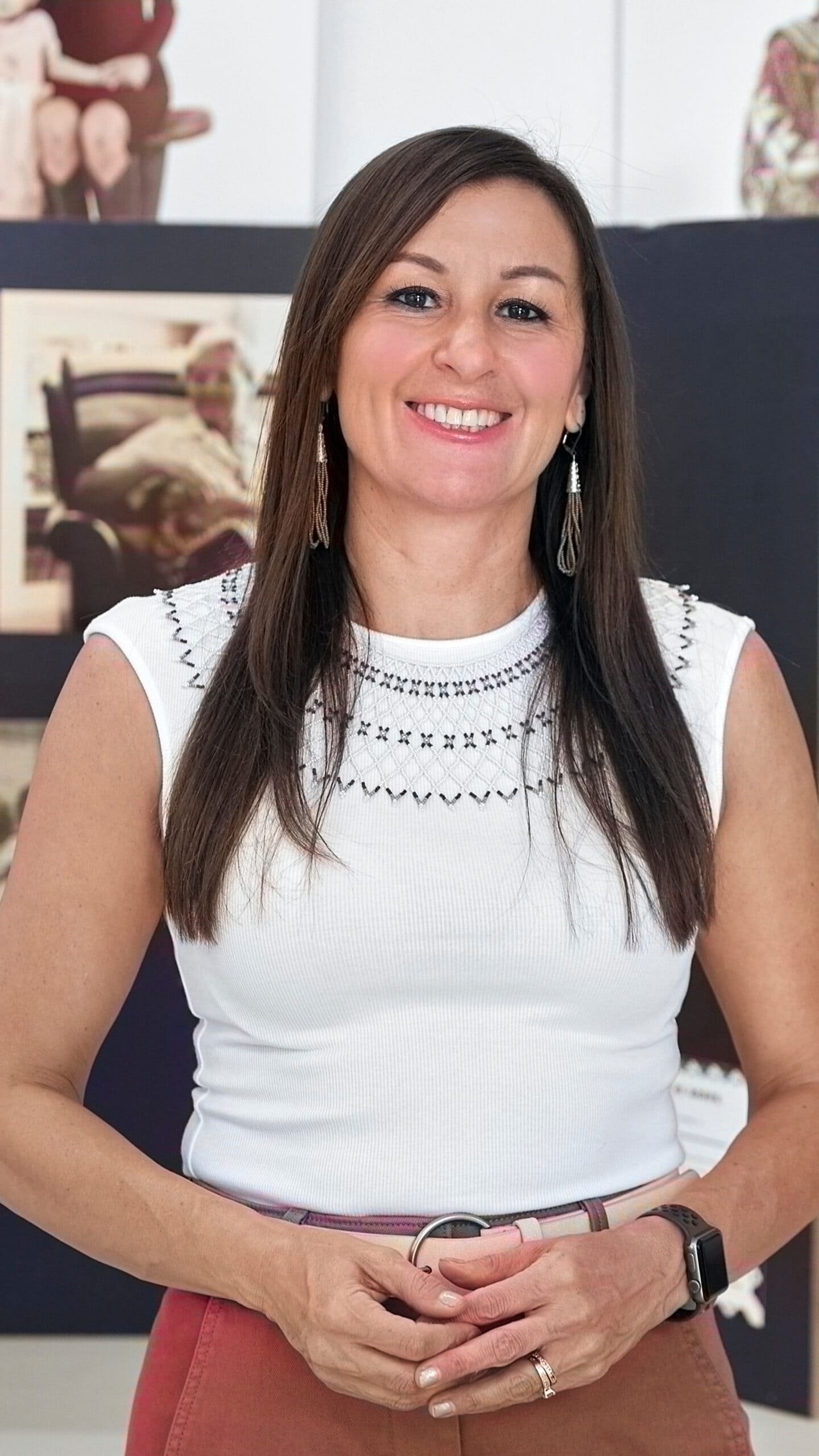

“She did so much work for the community,” Natalie said. “She just had that very caring and different type of personality and would take care of people.”
Growing up, Natalie was deeply connected to her Choctaw heritage through a network of aunts and uncles, dozens of cousins, and community gatherings. Family pride and cultural connection were central values, even amid significant challenges.
According to Natalie, “We were just always proud to be Choctaw.”
“You know, there’s a promise of jobs, opportunities, education, health care, housing, and a lot of that didn’t come to fruition. And so, how were you going to support those who came after you?”
Her mother experienced severe health issues, mental illness, poverty, and the lingering effects of historical and personal trauma. As a child, Natalie often felt affected by her mother’s difficulties, but her work at NAHC later helped her reinterpret her mother’s struggles with a clearer understanding of trauma, systemic inequities, and the unmet needs of many Native people in urban environments.“I was resentful of her at that time,” remembers Natalie. “But when I got to the health center and started learning about historical trauma and learning what she went through, I really had a better understanding of what she was going through.”
Natalie’s path toward community health work began unexpectedly. While studying at UC Berkeley, she met her future husband in a Native American studies course. Their connection introduced her to Native student organizing and community service, planting the seeds for her future career. After college, Natalie initially pursued work in law, imagining a career in tribal or civil rights advocacy, but soon realized the legal profession wasn’t her calling. Her husband, who was already working at NAHC, encouraged her to explore opportunities there, believing she would find meaningful work that aligned with her strengths and passions.
Natalie, MPA, CEO of NAHC, is a Choctaw Nation member dedicated
to advancing Native American health through decades of leadership.
In 2005, NAHC’s then-CEO, Marty Waukazoo, reviewed her résumé and created an entry-level role that Natalie intended to hold for only a year or two. Instead, she fell deeply in love with the work and the people. Sitting among Native leaders, witnessing community-centered healing models, and seeing firsthand the struggles and resilience of Native patients transformed her. Two decades later, she has become one of the organization’s most dedicated leaders.
Under her leadership, NAHC has expanded its cultural programming, prevention services, and integrated care model, blending Western health practices with traditional Native healing like smudging and sweat lodges.
“All the work we do at the Health Center is to help members like my mom in a holistic manner. I think what makes our community health center unique is the cultural aspect that we’ve always provided,” said Natalie. Cultural activities like drum groups, sewing groups, and other meetings keep members connected to their cultures and each other. She helps with the Indigenous Red Market, a platform patients can use to sell the beautiful jewelry, ribbon skirts, and other art they created in their meetings.
She also supports a workforce development arm to help community members secure stable employment and is now overseeing a major development project that will add new clinical space and 76 units of affordable housing.
“We know our members can’t focus on their health if they’re worried about where they’re living or if they’re worried about a job,” said Natalie. “We really want to help them get on their feet.”
Natalie also founded the Seven Generations Scholarship Fund, which has grown from three applicants in its first year to nearly forty annually. Through generous community and foundation support, the program provides meaningful financial assistance to Native students pursuing college or trade school, emphasizing community pride and multi-generational achievement.
“We all might come from different tribes, but we all have that mission to serve not only our tribal members but everyone who walks through our doors,” she said, adding that no matter who walks through the door, helping Native Americans remains central to the work they do at the NAHC. “I want to make sure that we stay true to our heart and our mission to our American Indian community.”